Every stakeholder, from creditors to regulators to investors and employees, seeks clarity in financial performance as well as in how responsibly an organisation operates and how responsibly it ensures full transparency in information.
Often, negative events are overshadowed by the lack of disclosure in relation to that event. The net financial impact may not differ in the long term but the trust erosion casts a negative light on everything else.
This is where disclosure management plays a critical role. With a structured process for collecting, managing and reporting information, companies can ensure that their disclosures are accurate, consistent and timely.
What is Disclosure Management?
At its core, disclosure management refers to the process of preparing and sharing financial and non-financial information with stakeholders. It involves gathering data and details of reportable events across departments and functions, reviewing the manner and method of disclosure, aligning it with regulatory and governance requirements, and presenting it in a format both accessible and credible. This is just the identification and management and, of course needs to be followed by the actual execution.
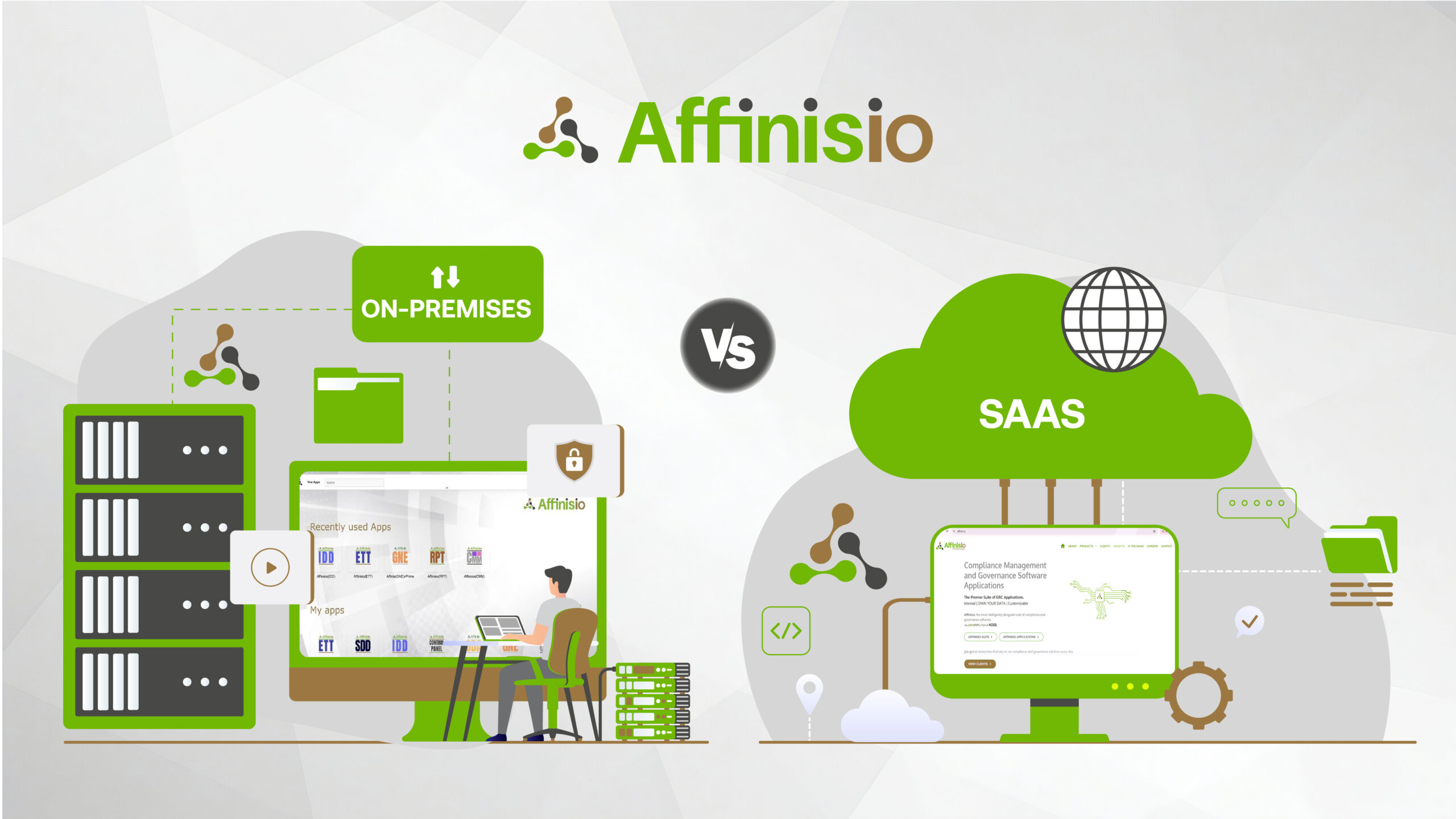
Traditionally, disclosure processes relied heavily on manual work – spreadsheets, email exchanges, siloed approvals. Modern disclosure management requires technology platforms like Affinisio(DMR), which provide guided structures designed specifically for the management of disclosures.
Why is Disclosure Management needed?
The need for structured disclosure management arises from growing complexities in both regulatory and stakeholder landscapes.
Regulatory mandates – Organisations face increasingly stringent reporting standards across multiple authorities. Consistency and timeliness are non-negotiable.
Investor expectations – Investors want more than compliance – they demand insights into a company’s resilience, governance, and long-term sustainability.
Risk management – Poorly managed disclosures can expose companies to the risk of reputational damage, financial penalties and loss of market confidence.
Operational efficiency – Streamlined disclosure management saves time, removes duplication and minimises costly errors.
By adopting strong disclosure management practices, organisations build credibility, attract capital, and position themselves as trustworthy partners in competitive markets.
Types of Disclosures
Disclosures can be broadly categorised into two types. While distinct in content, both are integral to building transparency and are best managed through disclosure reporting automation and structured workflows.
Financial Disclosures
Financial disclosures provide a numerical view of a company’s performance. These include:
- Annual and quarterly financial statements – balance sheet, income statement, cash flow.
- Regulatory filings required by the authorities such as SEBI in India or the SEC in the U.S.
- Notes and supplementary details that explain key financial decisions.
To manage these effectively, organisations require an application for compliance reporting and disclosures that ensures accuracy, timeliness and regulatory alignment.
Non-Financial Disclosures
Non-Financial disclosures go beyond numbers to capture the broader impact of business operations.
- Environmental – Sustainability initiatives, carbon footprint, energy use.
- Social – Labor practices, diversity, employee well-being, community engagement.
- Governance – Board structure, ethical practices, risk oversight.
Maintaining a centralised disclosure document repository allows businesses to store, organise and access both financial and non-financial reports consistently. Coupled with role-based disclosure access control, companies can ensure sensitive information is shared securely with the right stakeholders.
But These Are Not Universal Terms
Financial and non-financial disclosures are not universally accepted terms and may vary in understanding, depending on underlying context and intent. Some disclosures fall between financial and non-financial, in the sense that some disclosures are related to financial figures that require additional context for providing a full and accurate picture (e.g. RPTs or related party transactions, litigations, executive compensation, delays in payments or receipts and penalties).
Compliance and accountability, legal obligations, penalty avoidance, trust and credibility and decisioning are just some of the many end objectives for these disclosures.
The Role of Affinisio(DMR) in Disclosure Management
Managing disclosures manually or using trackers or basic software is no longer sufficient in an era of tight deadlines, evolving regulations and increasing data complexity. Affinisio(DMR) meets these challenges as a single system of record for every disclosure obligation and the evidence behind it, offering:
- Centralised disclosure document repositories that eliminate silos and ensure consistency.
- Disclosure reporting automation that reduces manual errors and accelerates report generation.
- Role-based disclosure access controls that safeguard sensitive financial and non-financial information.
- Integrated disclosure workflow solutions that allow integrations with other applications in the Affinisio suite like Affinisio(RPT) to connect finance and compliance.
- Managing sources and targets of disclosure events.
- Managing execution.
- Managing reports of reported disclosures.
These capabilities transform disclosure management from a compliance exercise into a strategic enabler of transparency and trust.